FORGE / ISSUE 001 / LAUNCHING 2026

HOW
IT'S
MADE

Deep-cut guides on machining, forming, joining, and finishing — written for people who can feel a tolerance stack fail.

FIRST 500 SUBSCRIBERS GET THE FULL TOLERANCING GUIDE FREE

SCROLL
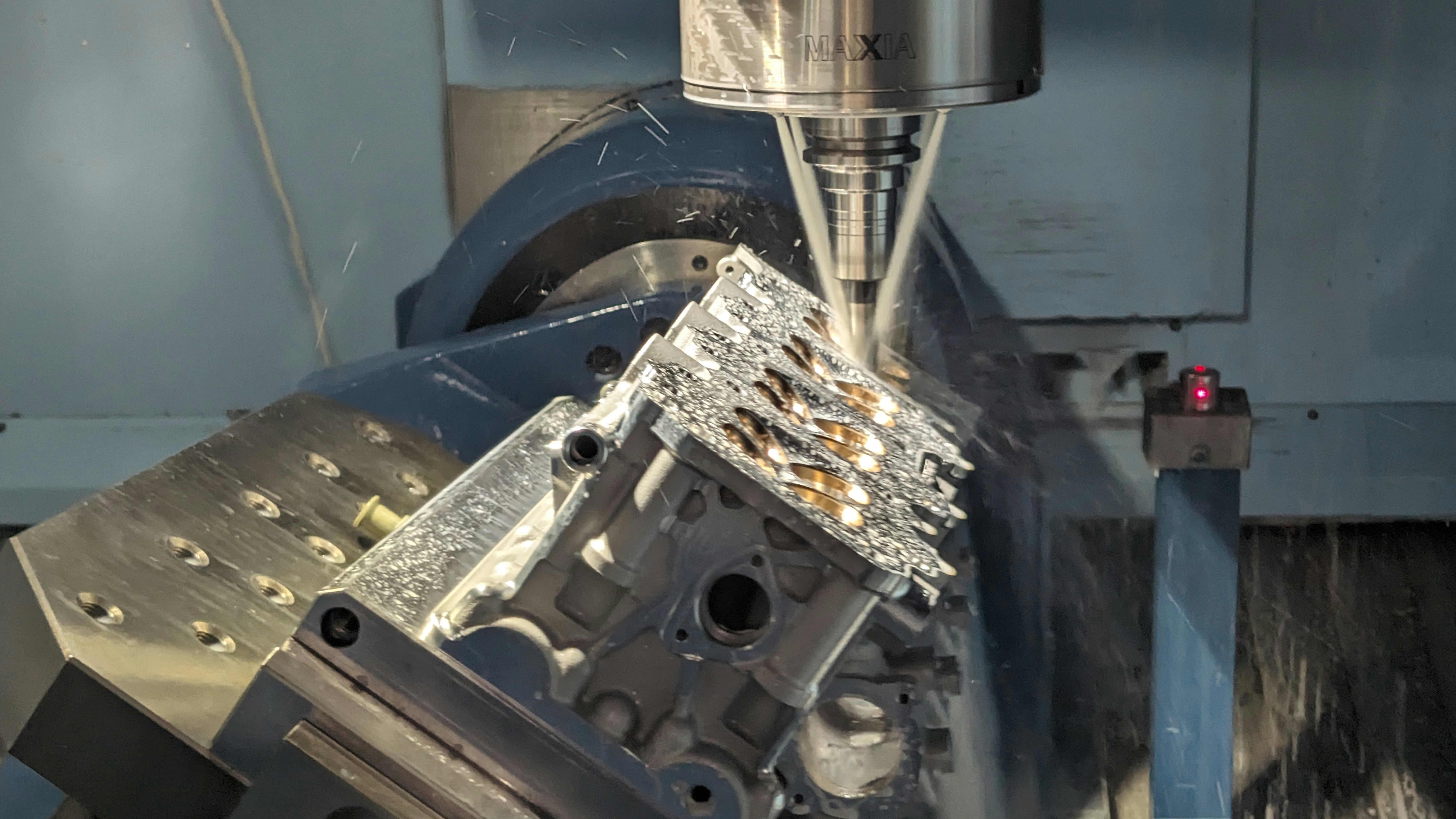
CNC lathe cutting billet aluminum with coolant spray, close-up of tool path on metal surface
01 / Subtractive
01

Metal Removed, Knowledge Earned

Machining & CNC

001

G-Code from the Ground Up: What the Controller Actually Reads

Every CNC program is a conversation between you and the machine. Before you write a single line, you need to understand the coordinate system — and why the machine doesn't care about your intentions, only your coordinates. We start at the work offset and build from there.

002

Speeds, Feeds, and the Lies Your Calculator Tells You

The formula gives you a starting point. The chips tell you the truth. Surface footage, chip load, and material hardness interact in ways that no spreadsheet fully captures — especially when you're running a worn insert on pre-hardened 4140.

003

Tolerance Stack-Up: When Individual Parts Fit Together Wrong

You held every dimension to spec. The CMM report is clean. But the assembly won't close. Welcome to tolerance stack-up analysis — the gap between what your drawing allows and what your assembly demands.

Metal 3D printer depositing material in a dark industrial environment with orange glow
02 / Additive
02

Layer by Layer, Decision by Decision

AM & 3D Printing

004

DMLS vs. SLM: The Difference That Changes Your Post-Processing

Direct Metal Laser Sintering and Selective Laser Melting are often used interchangeably. They shouldn't be. The distinction lives in melt pool dynamics — and it determines whether your support removal takes an hour or a shift.

005

Support Strategy: Designing for Removal, Not Just Build

The support structure is temporary. The witness marks it leaves are not. How you orient a part, where you plant supports, and what interface geometry you choose will determine whether your customer sees a production component or a prototype.

THE NEXT BAY IS WAITING.

Get notified when we open the doors

FIRST 500 SUBSCRIBERS GET THE FULL TOLERANCING GUIDE FREE · NO SPAM · UNSUBSCRIBE ANYTIME
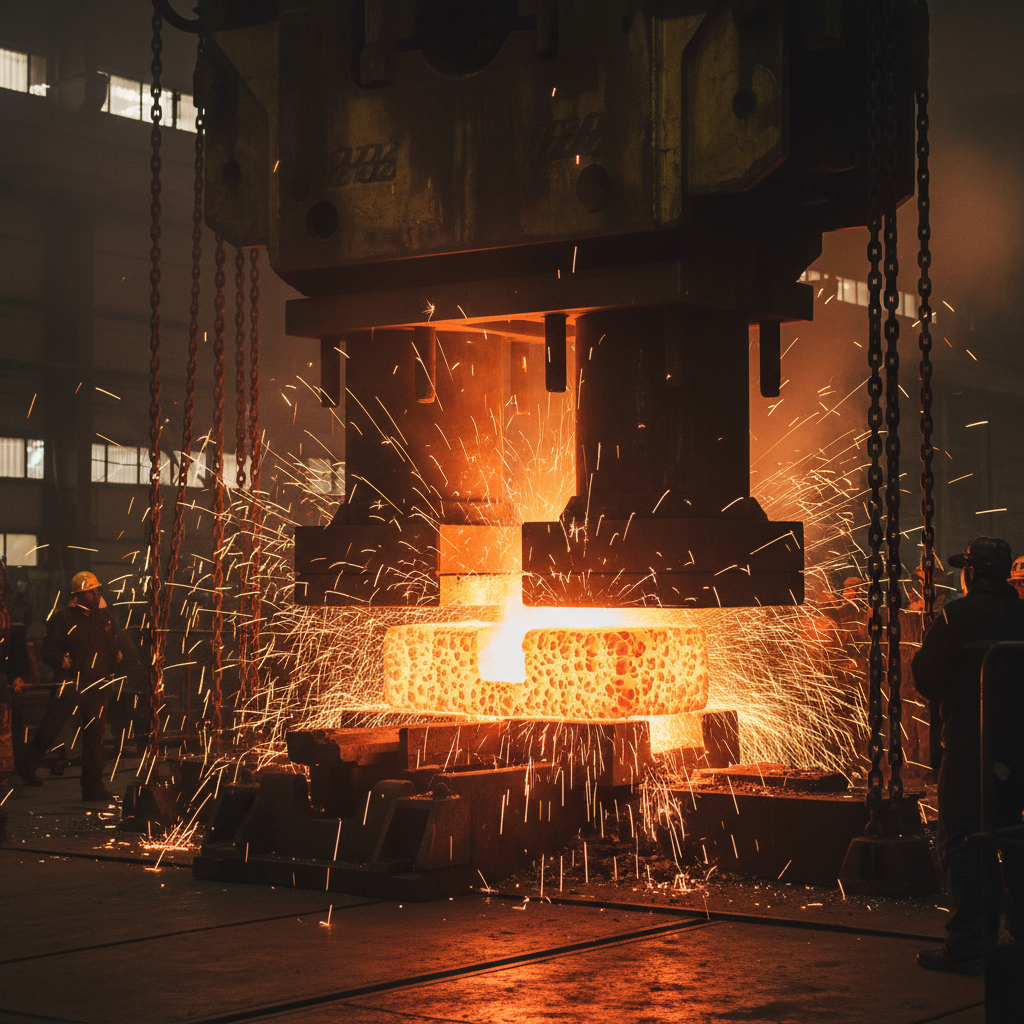
Hot forging press stamping glowing steel billet in a dark factory with sparks flying
03 / Forming
03

The Material Doesn't Lie

Sheet Metal & Forging

006

Springback: The Force Your Press Brake Can't See Coming

You program 90 degrees. The part comes off the brake at 93. The second part is 94. By the tenth, you're chasing a dimension that keeps moving. Springback isn't a mistake — it's physics. Here's how to compensate before the first piece hits the floor.

007

Grain Direction and Why Your Bend Cracked
The grain structure in rolled sheet metal is not random. It has a direction, and bending perpendicular to it is fundamentally different from bending parallel. This is the detail that separates a production engineer from a person who reads prints.

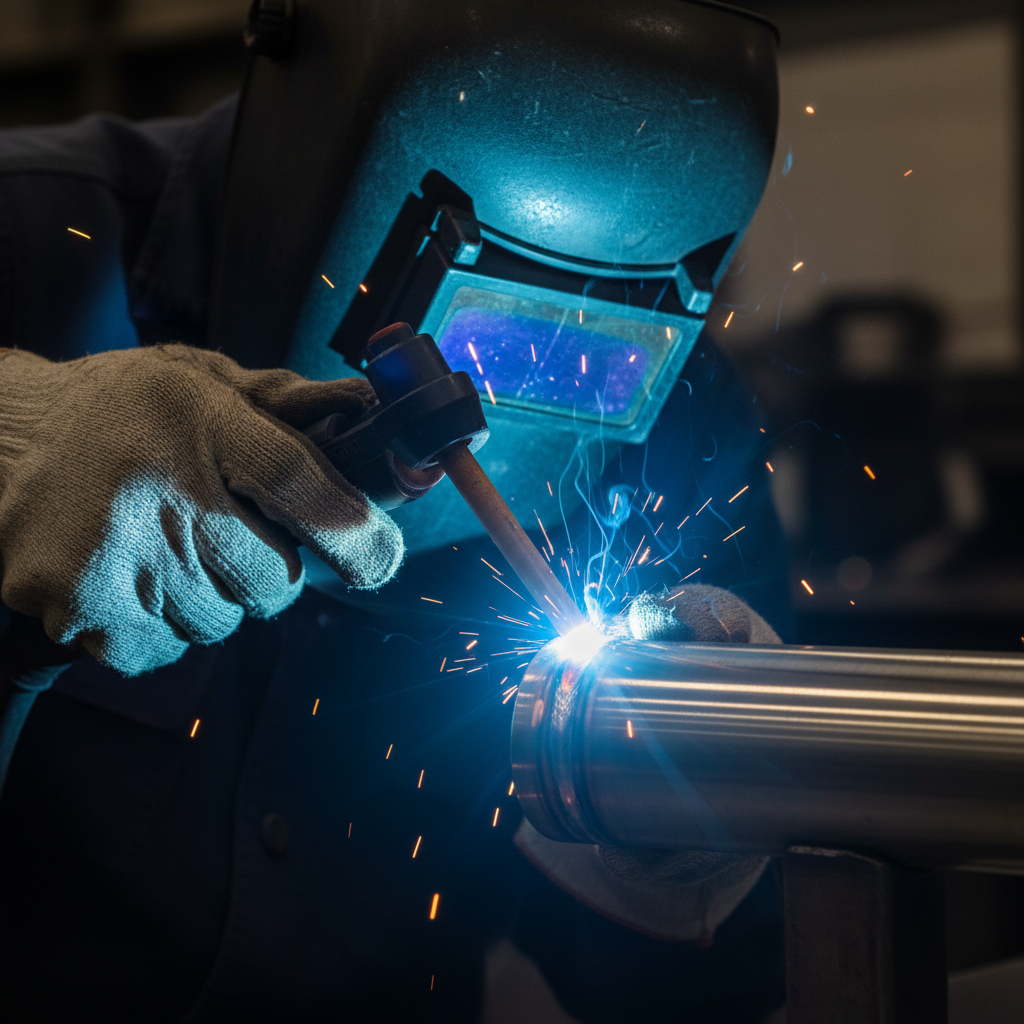
TIG welder working on stainless steel tube with bright arc and protective gear in dark shop
04 / Joining
04

Where Parts Become Assemblies

Welding & Fastening

008

HAZ Width and Why Your Weld Failed Three Inches Away

The weld bead looks perfect. The penetration is clean. But the failure happened in the heat-affected zone — the region where base metal was heated without melting, where grain growth and residual stress concentrate. The arc is only half the story.

009

Thread Engagement: The Number Everyone Gets Wrong

The rule of thumb is 1.5 times the diameter. Like most rules of thumb, it's correct often enough to become dangerous. The actual minimum engagement depends on material pair, loading direction, and whether your fastener is expected to yield before the thread strips.

THE NEXT BAY IS WAITING.

Get notified when we open the doors

FIRST 500 SUBSCRIBERS GET THE FULL TOLERANCING GUIDE FREE · NO SPAM · UNSUBSCRIBE ANYTIME
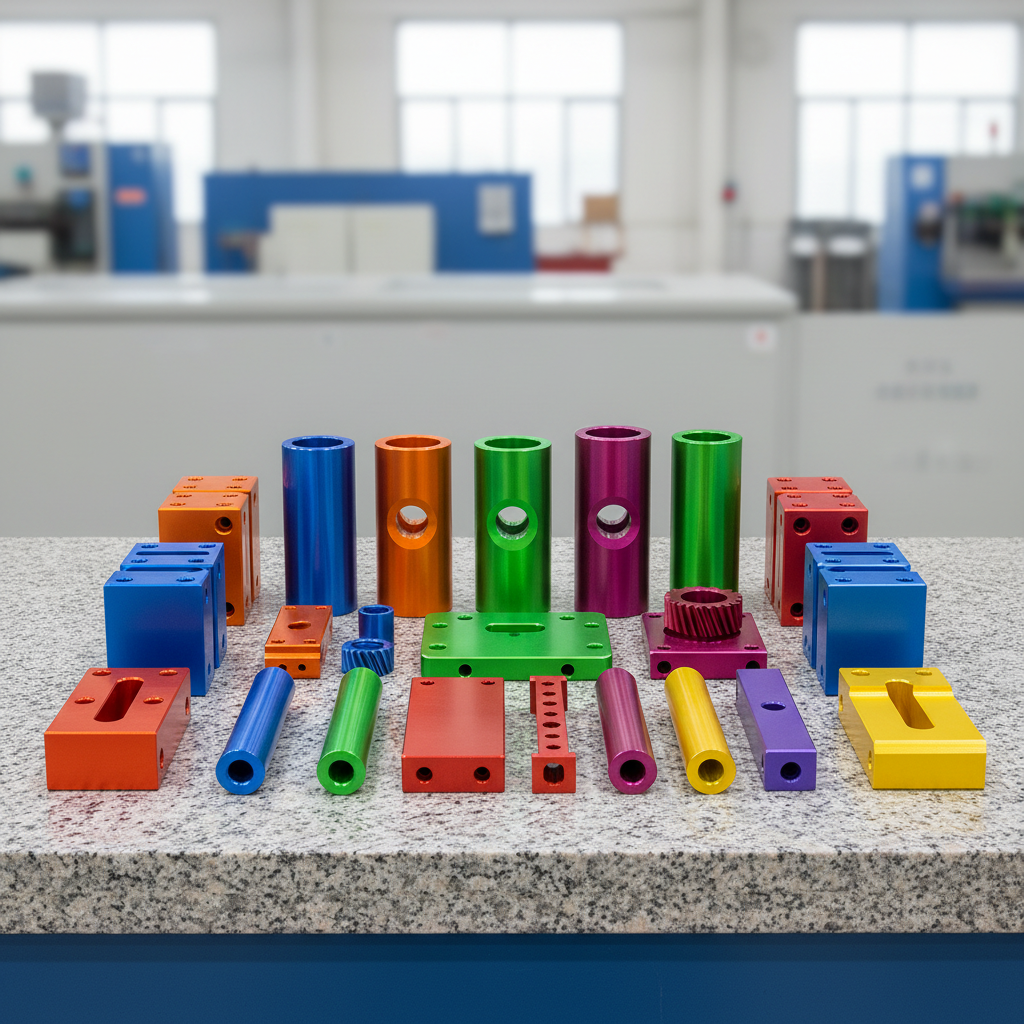
Anodized aluminum parts in vibrant colors arranged on a surface plate in an industrial setting
05 / Finishing
05

The Last 3% That Customers Actually Touch

Surface Treatment

010

Anodize Thickness and the Tolerance It Eats

Type II anodize grows into the part and builds out equally — roughly half and half. Type III hard-coat grows predominantly outward. If your machined feature was at the edge of tolerance before anodize, you need to know which way the coating is going.

011

Passivation vs. Electropolish: Choosing the Right Stainless Finish

Both processes improve corrosion resistance on stainless steel. One removes free iron from the surface. The other removes material until the chromium-rich layer is exposed. The difference determines whether you're meeting a cleanliness spec or a surface roughness spec.

ABOUT FORGE

MOST MANUFACTURING KNOWLEDGE LIVES IN PEOPLE'S HANDS.

WE'RE WRITING IT DOWN.

5
Disciplines
Subtractive · Additive · Forming · Joining · Finishing
500
Founding Subscribers
Get the Tolerancing Guide free at launch
Shop Floor Hours
Written by people who've made chips

Forge is for shop floor supervisors teaching themselves G-code after hours. For mechanical engineering graduates who can simulate in SolidWorks but have never felt a tolerance stack fail in their hands. For small-batch founders trying to decide between a five-axis and a good relationship with a job shop.

THE FLOOR IS OPEN

STEP INSIDE

The first issue covers tolerance analysis from first principles — not the rule of thumb, the actual math, with real parts that failed in production.

FIRST 500 SUBSCRIBERS GET THE FULL TOLERANCING GUIDE FREE